Justin
and 2 others
boosted

2 media
#Tag
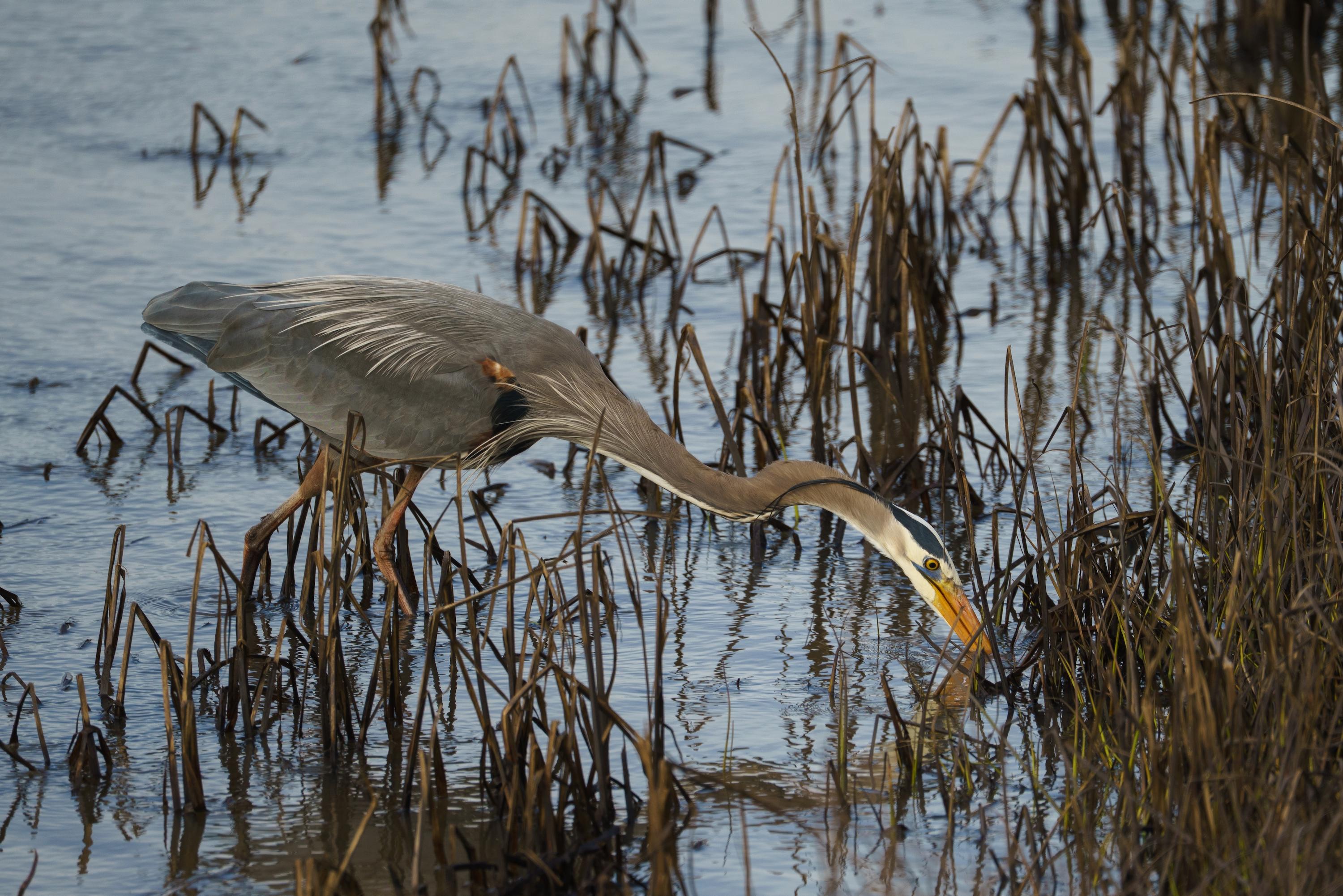
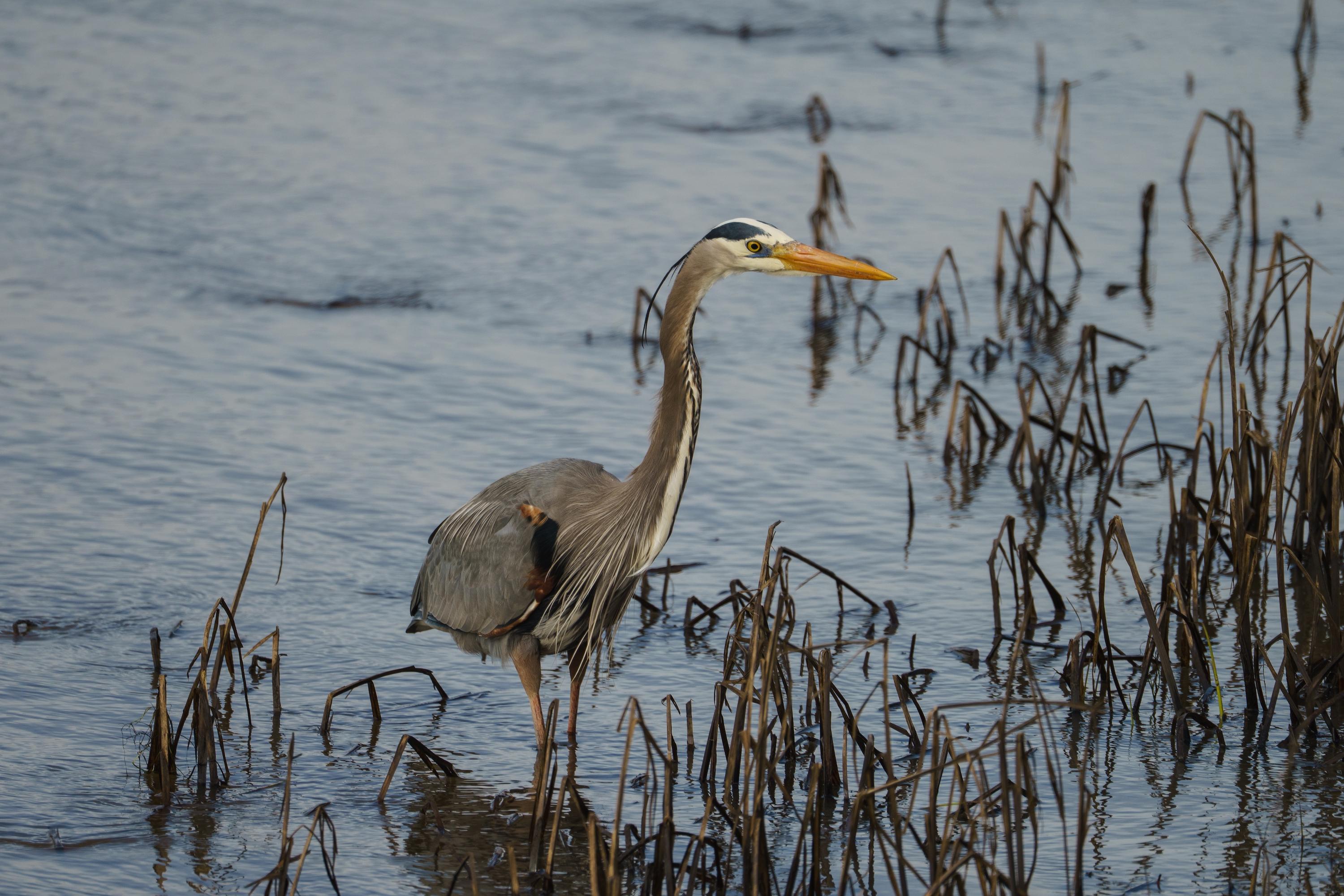
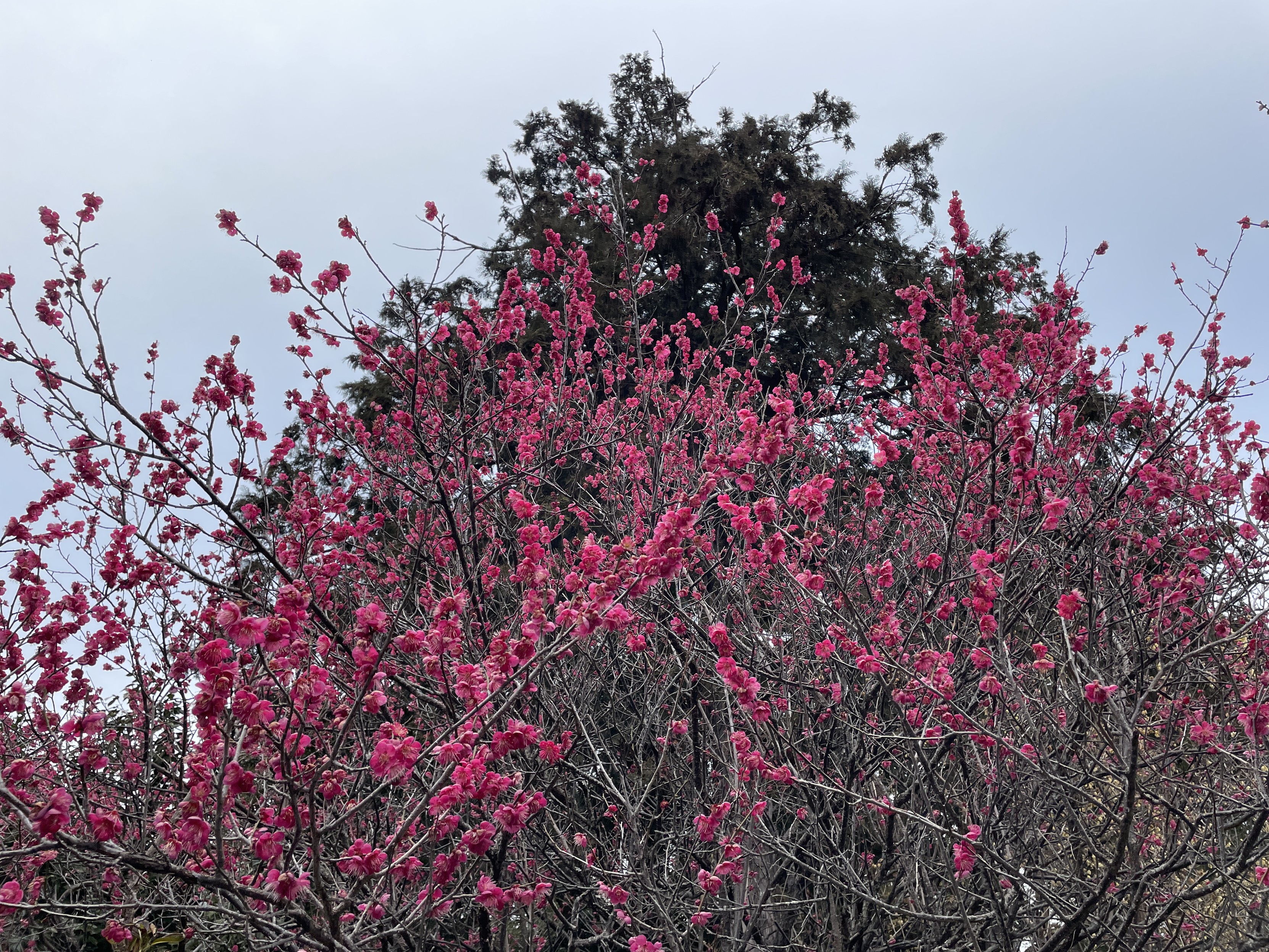
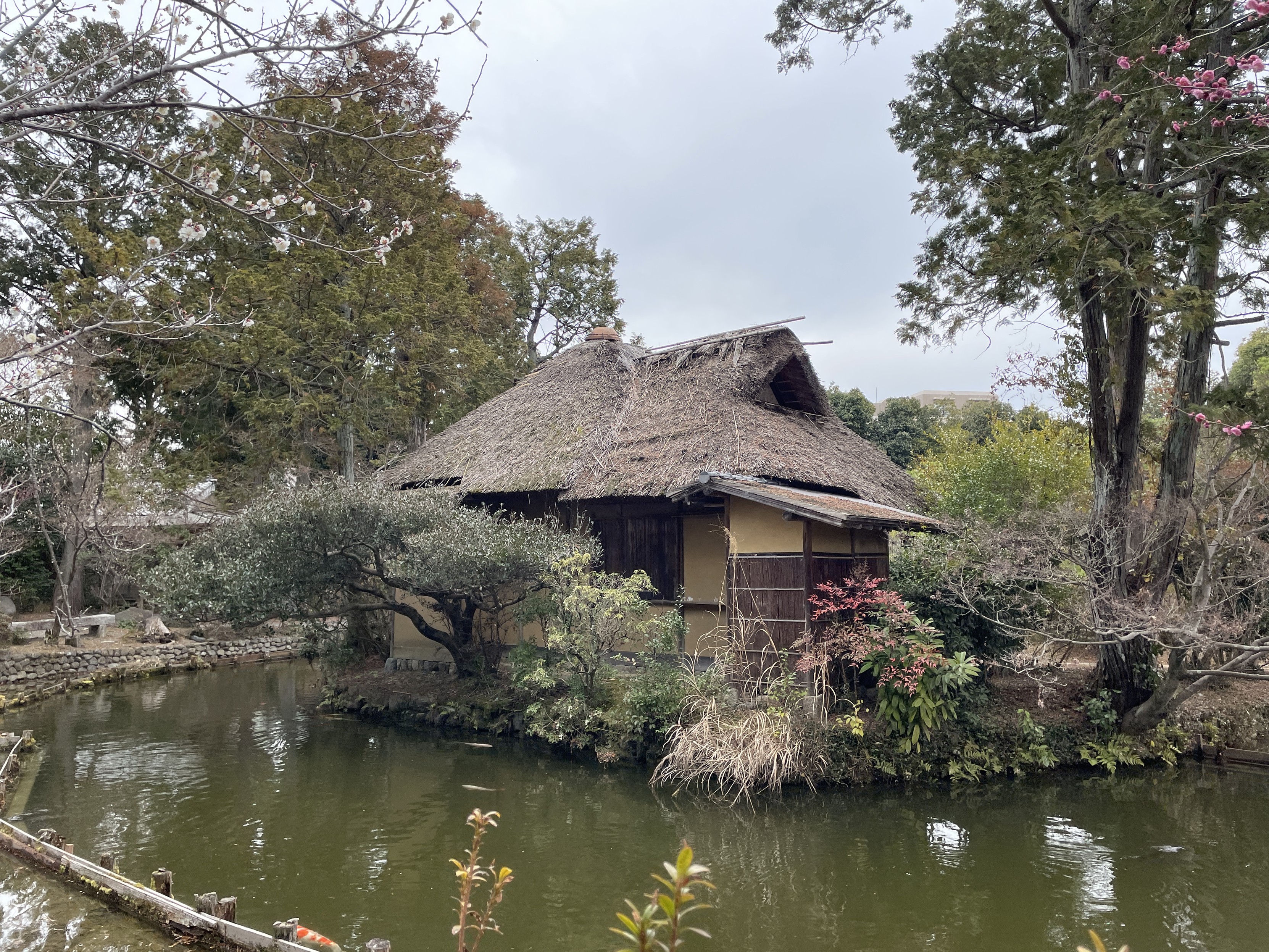
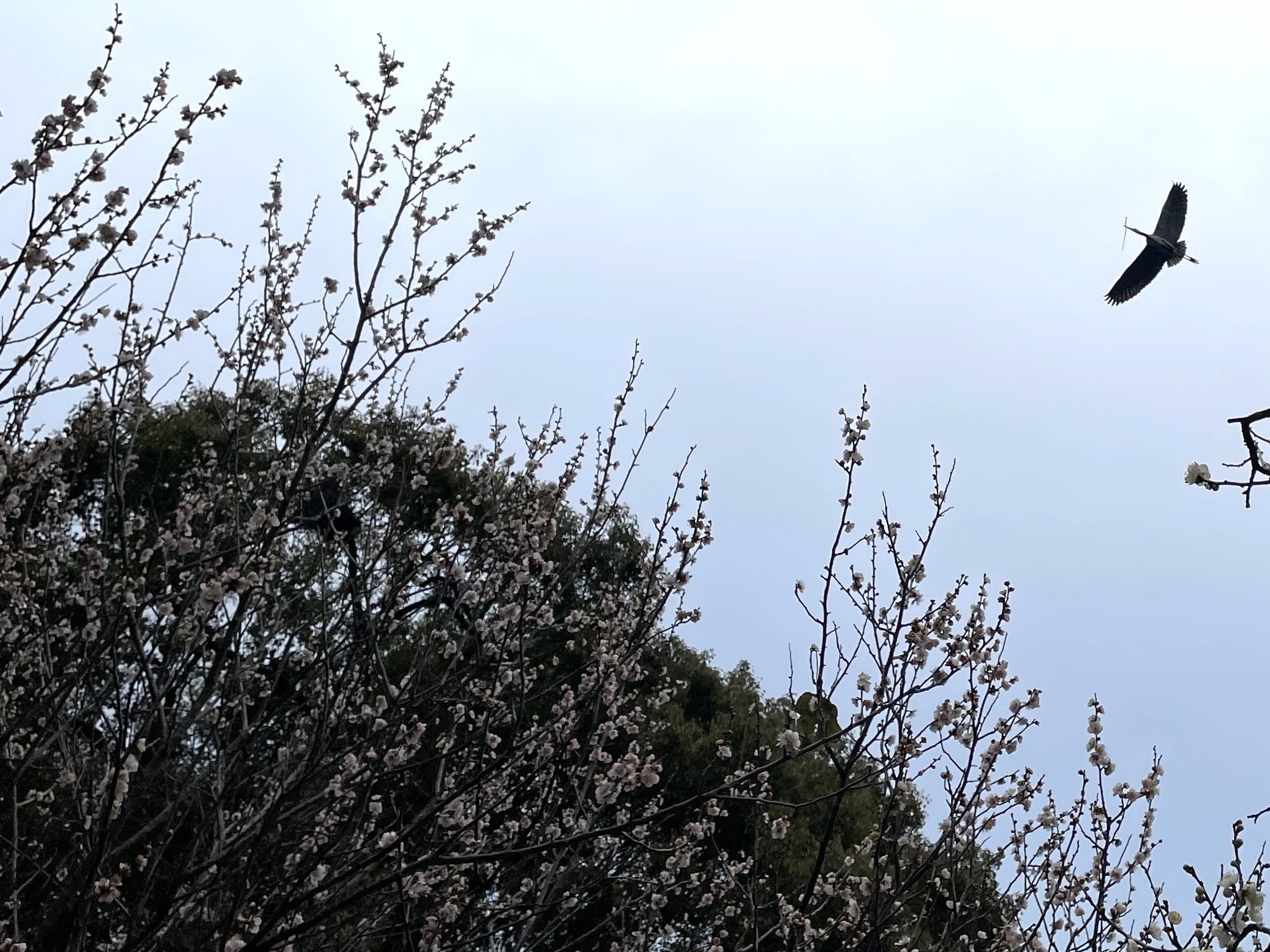
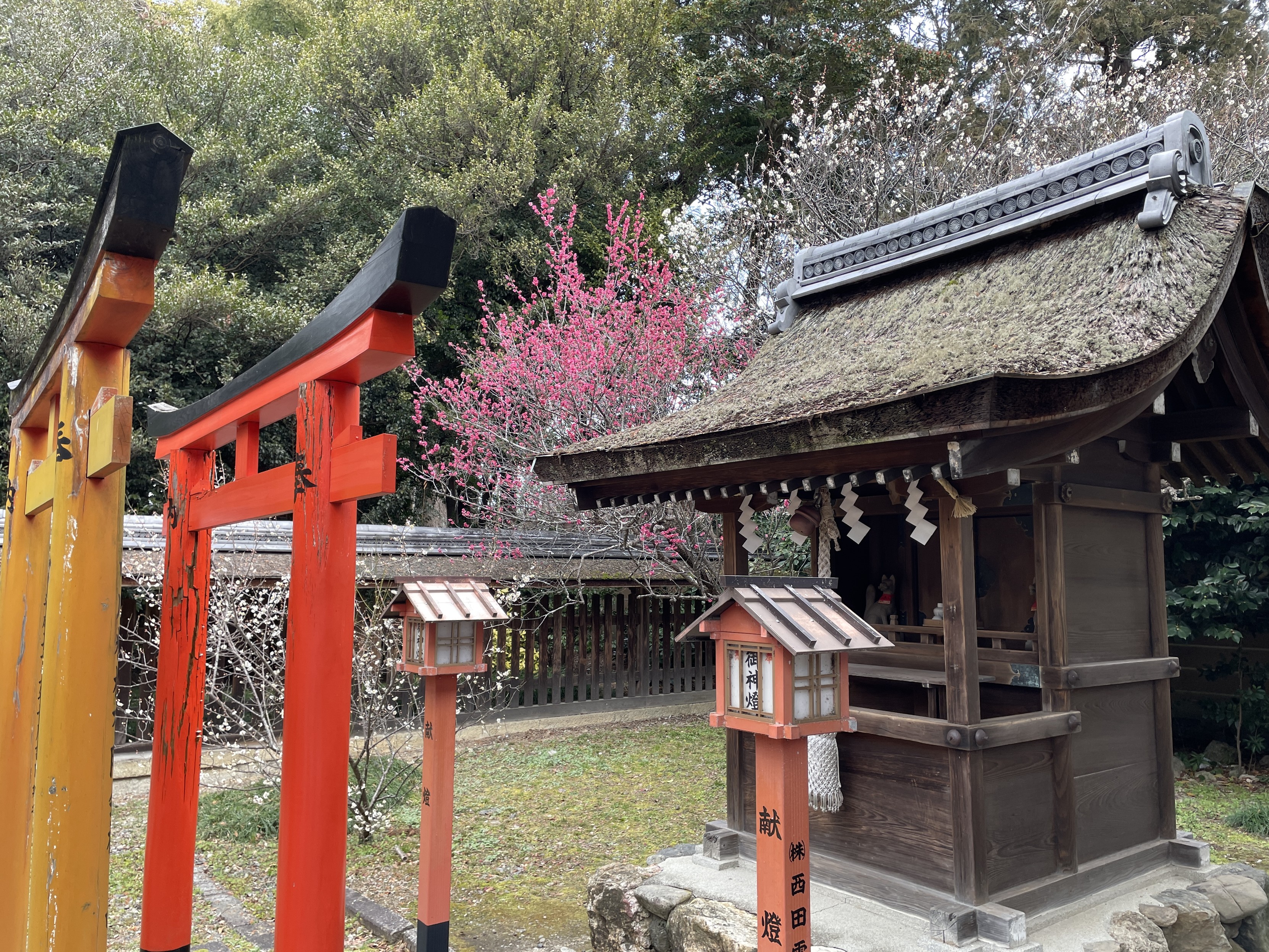
I gave a whirlwind tour of little-known gems of Kyōto Prefecture to an Indian woman who teaches at a university up in Kanazawa. The Shintō shrine Umenomiya Taisha (梅宮大社) is named after plums, ume, and you can see three varieties of different colors that blossom from mid-February in these four photos. I've noticed blue herons nesting in the big trees of the shrine, and caught one in the act of building its nest (3rd photo). They are gray, but their name in Japanese (青鷺) uses the character for blue. They are very common around fresh water in Western Japan and elsewhere, often standing still and looking pensive, letting you get as close as two meters before they fly away. In contrast, it's amusing that when nesting they are constantly squawking.
Publications and projects as a Professor in Japan: https://japanned.hcommons.org
#Japan #Kyoto #Shinto #shrine #plum #blossoms #nature #culture #heron #architecture #sightseeing #travel #photography #photos #travelphotography
I gave a whirlwind tour of little-known gems of Kyōto Prefecture to an Indian woman who teaches at a university up in Kanazawa. The Shintō shrine Umenomiya Taisha (梅宮大社) is named after plums, ume, and you can see three varieties of different colors that blossom from mid-February in these four photos. I've noticed blue herons nesting in the big trees of the shrine, and caught one in the act of building its nest (3rd photo). They are gray, but their name in Japanese (青鷺) uses the character for blue. They are very common around fresh water in Western Japan and elsewhere, often standing still and looking pensive, letting you get as close as two meters before they fly away. In contrast, it's amusing that when nesting they are constantly squawking.
Publications and projects as a Professor in Japan: https://japanned.hcommons.org
#Japan #Kyoto #Shinto #shrine #plum #blossoms #nature #culture #heron #architecture #sightseeing #travel #photography #photos #travelphotography