Learned a new word today:
Fossilflation
It's when an oil price shock oozes into the price of everyday things, like food.
Best remedy for fossilflation?
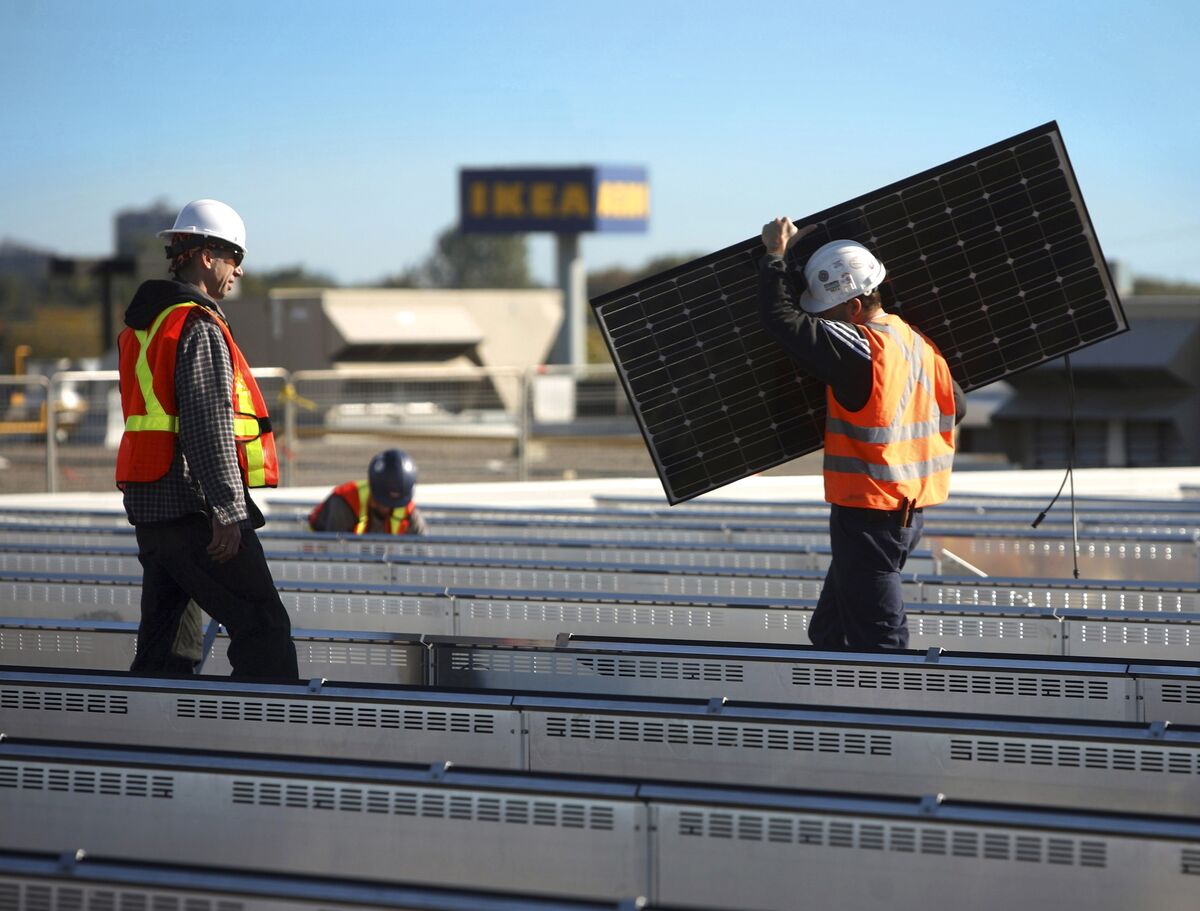
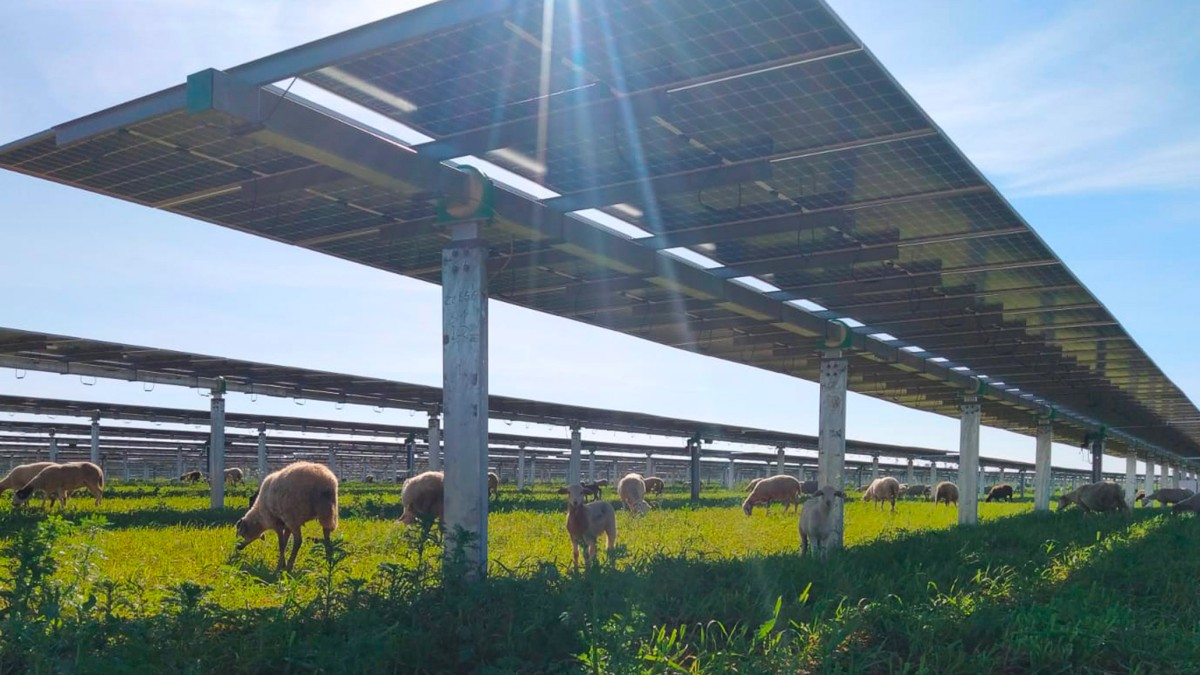
Build out your clean energy infrastructure, says a board member of the European Central Bank.
Discussion
Learned a new word today:
Fossilflation
It's when an oil price shock oozes into the price of everyday things, like food.
Best remedy for fossilflation?
Build out your clean energy infrastructure, says a board member of the European Central Bank.
The Iran war has made prices rise for American businesses and households. SO FAR, they have paid additional
$ 35bn to fill the car's tank;
$ 200bn from higher-than-expected interest rates;
plus costs in supply chain disruptions;
plus the cost of the war itself.
And higher food prices still to come.
https://www.ft.com/content/145eccf2-14d8-4819-bd75-5674a5818f7c
"U.S. consumer prices climbed sharply again last month as the 10-week war with Iran delivered higher gasoline prices and more pain for Americans.
Whirlpool, which makes KitchenAid and Maytag appliances, reported last week that revenue dropped nearly 10% in its most recent quarter and said that the war has caused a “recession-level industry decline″ that has undermined consumer confidence."
https://apnews.com/article/us-inflation-consumer-iran-war-3f11b7fdd20ea56d2f0895e5241af7b6
It is not yet time to panic. But it bears consideration that the world has been rolling along as if there was no war in Iran. That's because countries have been dipping into their fossil fuel reserves.
"Since the outbreak of the conflict, the world has been existing beyond its energy means."
If the Iran war doesn't end soon, prices of everything that is made with petrochemicals, or has to be transported to get to you, will rise, and steeply.
https://www.ft.com/content/f636f726-b185-4f6a-91d2-75ea3d1b9beb
This is what demand destruction looks like:
"Renault's electric vehicle order book is up by 50% in some markets, such as France and Germany, since the Iran war started.
Provost said that when the Iran war does end and fuel prices do come down, the intense level of interest in EVs "will decrease" but the shift to electric vehicles will continue to accelerate.
"We have already revised our assumptions" for EV sales, Provost said."
"Italy's business lobby Confindustria has called for emergency action from the government to speed up the roll-out of renewable energy in the country, which is grappling with much higher power costs than in most of Europe.
"Some 4,000 permits for renewable projects amounting to 130 gigawatt must be unblocked," Orsini said, ... also urging the European Commission to create a single market for power."
"Ireland's dependence on fossil fuels in transport is leaving the country exposed to repeated fuel price shocks as global energy markets remain disrupted, the Climate Change Advisory Council (CCAC) has warned.
Accelerated investment in public transport, active travel, electric vehicle charging infrastructure and grid capacity would reduce this exposure, the council said in the transport chapter of its 2026 Annual Review."
https://www.rte.ie/news/ireland/2026/0617/1578833-climate-change-review/
#DemandDestruction
Fiji:
"Rising vegetable prices, increasing transport costs and shrinking profits are placing significant pressure on Lautoka market vendors.
One of the major challenges is the high cost of purchasing produce from farmers, driven largely by transport and fuel expenses."
https://fijisun.com.fj/news/economy/inflation-and-fuel-costs-cut-into-market-vendors-profits
#Fossilflation
"112 global companies with combined annual revenues of about $1.5 trillion are backing faster electrification.
The business group says fossil fuel price volatility is weakening competitiveness and delaying investment.
The statement calls for stronger policy frameworks, grid investment, market reform and faster permitting."
"Clean energy investment has decisively overtaken fossil fuels, with the IEA forecasting $2.16 trillion flowing into clean energy in 2025 versus just over $1 trillion for oil, gas, and coal.
Geopolitical instability is accelerating—not slowing—the energy transition."