#SevereWeather #PolarVortex #WeatherApps
From AP News.com: What weather apps sometimes miss about dangerous winter storm conditions
#SevereWeather #PolarVortex #WeatherApps
From AP News.com: What weather apps sometimes miss about dangerous winter storm conditions
#SevereWeather #PolarVortex #WeatherApps
From AP News.com: What weather apps sometimes miss about dangerous winter storm conditions
The planet can be warming AND your toes can be frozen 🧊🔥
Yes, both things can be true.
Here’s why 🌎
👉🏿 https://tinyurl.com/3aw65m9r
#WeatherIsNotClimate #ColdSnap #GlobalWarming #ClimateChange #PolarVortex #weather #Trump
#ASPCA - #ColdWeather Safety Tips
"Exposure to winter’s dry, cold air and chilly rain, sleet and snow can cause chapped paws and itchy, flaking skin, but these aren’t the only discomforts pets can suffer. Winter walks can become downright dangerous if chemicals from ice-melting agents are licked off of bare paws. To help prevent cold weather dangers from affecting your pet’s health, check out our top 10 cold weather safety tips from our experts at the ASPCA Animal Poison Control Center (APCC).
- Remember, if it’s too cold for you, it’s probably too cold for your pet, so keep your animals inside. If left outdoors, pets can freeze, become disoriented, lost, stolen, injured or killed. In addition, don’t leave pets alone in a car during cold weather, as cars can act as refrigerators that hold in the cold and cause animals to freeze to death.
- Keep your home humidified and be sure to towel dry your pet as soon as they come inside. Repeatedly going into the cold and then comin back into a warm home can cause itchy, flaking skin. Pay close attention to their feet and in-between their toes and remove any snow balls from between their foot pads to prevent and treat skin irritation in the winter.
- Massage petroleum jelly or other vet-approved paw protectants into paw pads before going outside to protect from salt and chemical agents. Booties can provide even more coverage and can also prevent sand and salt from getting lodged between bare toes and causing irritation. Use pet-friendly ice melts whenever possible.
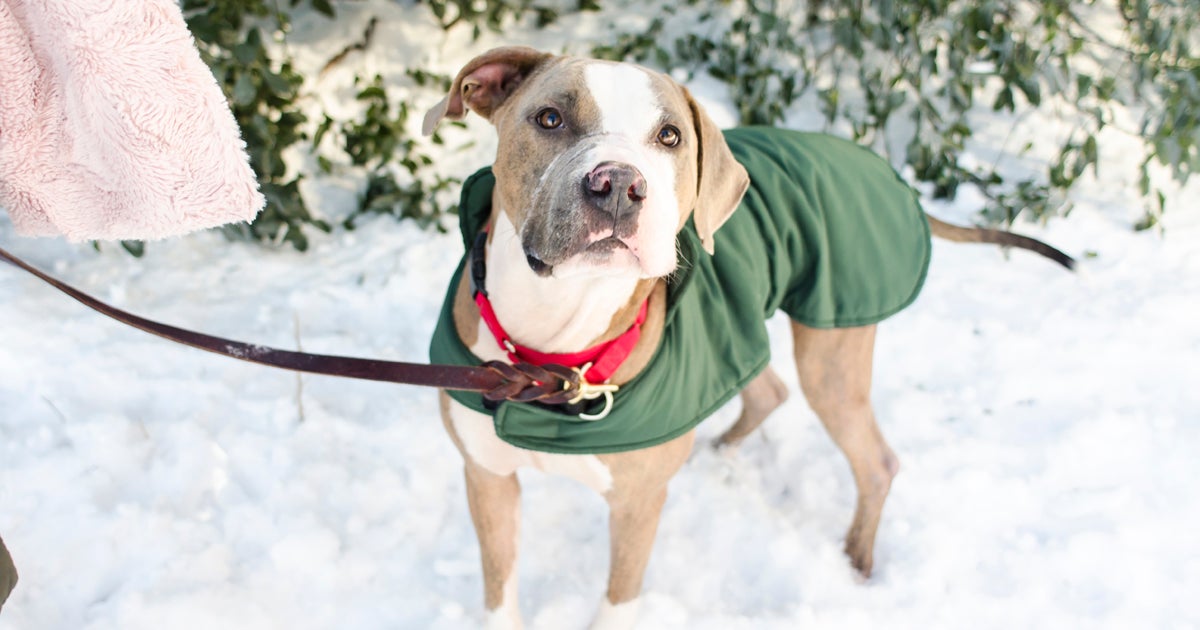
- Never shave your dog down to the skin in winter. A longer coat will provide more warmth. If your dog is long-haired, simply trim them to minimize the clinging ice balls, salt crystals and de-icing chemicals that can dry their skin, and don’t neglect the hair between their toes. If your dog is short-haired, consider getting them a coat or sweater with a high collar or turtleneck with coverage from the base of the tail to the belly.
- After each walk, make sure to wash and dry your pet's feet and stomach to remove ice, salt and chemicals. Don't forget to check for cracks in paw pads or redness between the toes. You may also want to bring a towel on long walks to clean off stinging, irritated paws.
- Bathe your pets as little as possible during cold spells. Washing too often can remove essential oils and increase the chance of developing dry, flaky skin. If your pooch must be bathed, ask your vet to recommend a moisturizing shampoo and/or rinse.
- Thoroughly clean up any anitfreeze spills. Like coolant, antifreeze is a lethal for dogs and cats. Be sure to thoroughly clean up any spills from your vehicle, and consider using products that contain propylene glycol rather than ethylene glycol. Additionally, cold weather chemicals like #IceMelts can be dangerous when ingested, so always be mindful and keep chemicals up and out of paws' reach.
- Feed your pet a little extra in the winter months. Pets burn extra energy by trying to stay warm in wintertime. Feeding them a little bit more can provide much-needed calories, and making sure they have plenty of water to drink will help keep them well-hydrated and their skin less dry.
- Make sure your companion animal has a warm place to sleep, off the floor and away from all drafts. A cozy dog or cat bed with a warm blanket or pillow is perfect.
- Never let your dog off leash on snow or ice, especially during a snowstorm. Dogs can lose their scent in the snow and easily become lost. More dogs are lost during the winter than during any other season, so make sure your dog always wears an ID tag.
Be sure to keep these tips top of mind this winter so that you and your furry friends can stay warm, cozy and safe.
If you think your pet may have ingested antifreeze or another potential toxin, contact your veterinarian or the ASPCA Animal Poison Control Center at (888) 426-4435 immediately."
Source:
https://www.aspca.org/pet-care/general-pet-care/cold-weather-safety-tips
#PetSafety #ArcticBlast #PolarVortex #IceMelt #ExtremeCold #PetSafetyTips
Yeesh, ICON, GFS, and ECMWF do ***not*** agree on who gets snow and who does not.
Quite the area for winter storm watches and warnings in the US, and expected to extend eastward over the next few days.
"The most complete list of shelters in Michigan. The shelters listed below are emergency shelters but many are general homeless shelters or transitional housing opportunities. Please note that many of these facilites have waiting lists (some are very long). Please call ahead to check availability first. "
Read more:
https://www.homelessshelterdirectory.org/state/michigan
#TransitionalShelters #Unhoused #Houseless #ArcticBlast #PolarVortex #StayWarm #Shelters #FamilyShelters #WomensShelters
#UnitedStates - #HomelessShelters and #Homeless Service Organizations.
"The Homeless Shelter Directory provides Homeless Shelters and Homeless Service Organizations. This includes all resources necessary to help the needy.
The directory was created for people who want to find and donate food and/or supplies to their local shelter."
https://www.homelessshelterdirectory.org/
#TransitionalShelters #Unhoused
#Houseless #ArcticBlast #PolarVortex #StayWarm #Shelters #FamilyShelters
#WomensShelters #YouthShelters #MensShelters
#ChicagoIL #HomelessShelters and Services
"Welcome to our Chicago, Illinois Homeless Shelters and Services for the needy page. Below are all of the homeless shelters and services for the needy that provide help to those in need for Chicago, IL and surrounding cities.
We also provide other homeless resources such as transitional resources and services that help the needy."
https://www.homelessshelterdirectory.org/city/il-chicago
#TransitionalShelters #Unhoused #Houseless #Illinois #ArcticBlast #PolarVortex #StayWarm #Shelters #FamilyShelters #WomensShelters
Housing and Space Guidelines for Livestock
Housing
Farm animals need some kind of shelter to escape the elements. It is commonly thought that winter is the most important time to provide shelter, but an animal’s natural coat can allow them to tolerate much colder temperatures than people can. Summer heat can be harder on animals than winter if shade is not available to them, either by trees or structures if they are out on pasture. Similarly, lack of ventilation in a barn or building can also be detrimental to animal health. Many livestock animals like pigs and rabbits do not sweat, which increases the risk of heat stroke and decreases overall production. A simple, three-sided shelter with an open front will meet the needs of many farm animals on pasture and is often the building of choice to raise healthy livestock. When designing a three-sided animal shelter, make sure the open side faces south, away from prevailing winds. Locate the structure on an elevated, well-drained site and keep winter access in mind for feeding and water handling.
*Refer to the Manual of Best Management Practices (BMPs) for Agriculture in New Hampshire for specific guidelines on proper animal waste handling and barnyard management. For a print copy of the manual, contact the New Hampshire Department of Agriculture, Markets & Food, at 603-271-3551.
There are several factors to consider when planning adequate livestock shelter in cold weather:
- Air quality: Animal shelters should be open, providing natural ventilation, or enclosed, using fans and proper air inlets around the ceiling perimeter to provide good air circulation. Tight buildings result in a buildup of respiration gases, and animal odors, which can irritate the animal’s lungs and cause pneumonia. Dangerous ammonia levels1 can also build up and lead to suffocation death of animals and their caretakers.
- Drafts: Animals can stand cold temperatures, but you should protect them from drafts. Constructing panels in front of an open building can reduce drafts. Consider drafts at animal height, not person height. When animals are allowed to run loose in a pen instead of being hitched, they will search for the most comfortable spots as needed.
- Dry bedding area: Animals will be far more comfortable in the cold if they have clean, dry bedding. A thick, dry bed provides insulation from the cold ground and decreases the amount of energy the animal has to expend to keep warm. Shelter from the snow and rain allows an animal’s coat to remain dry, which provides maximum insulating value.
- Fresh water: All animals need water to survive. Under cold conditions, provide fresh water often or use freeze-proof watering devices. Animals will drink more when water is 50°F.
- Adequate food: Animals can endure severe cold temperatures if they eat enough food (energy) to maintain their energy reserves (body fat). Animals need energy for growth, maintenance and production. Extra energy is expended to keep warm. Therefore, they will require additional amounts of good quality feed during cold weather. For herbivores, free choice hay in hay racks should be supplied in addition to a species-appropriate concentrate or prepared ration."
#AnimalSafety #ColdWeatherSafety #AnimalSafetyTips #ArcticBlast #Homesteading #PolarVortex
Housing and Space Guidelines for Livestock
Housing
Farm animals need some kind of shelter to escape the elements. It is commonly thought that winter is the most important time to provide shelter, but an animal’s natural coat can allow them to tolerate much colder temperatures than people can. Summer heat can be harder on animals than winter if shade is not available to them, either by trees or structures if they are out on pasture. Similarly, lack of ventilation in a barn or building can also be detrimental to animal health. Many livestock animals like pigs and rabbits do not sweat, which increases the risk of heat stroke and decreases overall production. A simple, three-sided shelter with an open front will meet the needs of many farm animals on pasture and is often the building of choice to raise healthy livestock. When designing a three-sided animal shelter, make sure the open side faces south, away from prevailing winds. Locate the structure on an elevated, well-drained site and keep winter access in mind for feeding and water handling.
*Refer to the Manual of Best Management Practices (BMPs) for Agriculture in New Hampshire for specific guidelines on proper animal waste handling and barnyard management. For a print copy of the manual, contact the New Hampshire Department of Agriculture, Markets & Food, at 603-271-3551.
There are several factors to consider when planning adequate livestock shelter in cold weather:
- Air quality: Animal shelters should be open, providing natural ventilation, or enclosed, using fans and proper air inlets around the ceiling perimeter to provide good air circulation. Tight buildings result in a buildup of respiration gases, and animal odors, which can irritate the animal’s lungs and cause pneumonia. Dangerous ammonia levels1 can also build up and lead to suffocation death of animals and their caretakers.
- Drafts: Animals can stand cold temperatures, but you should protect them from drafts. Constructing panels in front of an open building can reduce drafts. Consider drafts at animal height, not person height. When animals are allowed to run loose in a pen instead of being hitched, they will search for the most comfortable spots as needed.
- Dry bedding area: Animals will be far more comfortable in the cold if they have clean, dry bedding. A thick, dry bed provides insulation from the cold ground and decreases the amount of energy the animal has to expend to keep warm. Shelter from the snow and rain allows an animal’s coat to remain dry, which provides maximum insulating value.
- Fresh water: All animals need water to survive. Under cold conditions, provide fresh water often or use freeze-proof watering devices. Animals will drink more when water is 50°F.
- Adequate food: Animals can endure severe cold temperatures if they eat enough food (energy) to maintain their energy reserves (body fat). Animals need energy for growth, maintenance and production. Extra energy is expended to keep warm. Therefore, they will require additional amounts of good quality feed during cold weather. For herbivores, free choice hay in hay racks should be supplied in addition to a species-appropriate concentrate or prepared ration."
#AnimalSafety #ColdWeatherSafety #AnimalSafetyTips #ArcticBlast #Homesteading #PolarVortex
#ASPCA - #ColdWeather Safety Tips
"Exposure to winter’s dry, cold air and chilly rain, sleet and snow can cause chapped paws and itchy, flaking skin, but these aren’t the only discomforts pets can suffer. Winter walks can become downright dangerous if chemicals from ice-melting agents are licked off of bare paws. To help prevent cold weather dangers from affecting your pet’s health, check out our top 10 cold weather safety tips from our experts at the ASPCA Animal Poison Control Center (APCC).
- Remember, if it’s too cold for you, it’s probably too cold for your pet, so keep your animals inside. If left outdoors, pets can freeze, become disoriented, lost, stolen, injured or killed. In addition, don’t leave pets alone in a car during cold weather, as cars can act as refrigerators that hold in the cold and cause animals to freeze to death.
- Keep your home humidified and be sure to towel dry your pet as soon as they come inside. Repeatedly going into the cold and then comin back into a warm home can cause itchy, flaking skin. Pay close attention to their feet and in-between their toes and remove any snow balls from between their foot pads to prevent and treat skin irritation in the winter.
- Massage petroleum jelly or other vet-approved paw protectants into paw pads before going outside to protect from salt and chemical agents. Booties can provide even more coverage and can also prevent sand and salt from getting lodged between bare toes and causing irritation. Use pet-friendly ice melts whenever possible.
- Never shave your dog down to the skin in winter. A longer coat will provide more warmth. If your dog is long-haired, simply trim them to minimize the clinging ice balls, salt crystals and de-icing chemicals that can dry their skin, and don’t neglect the hair between their toes. If your dog is short-haired, consider getting them a coat or sweater with a high collar or turtleneck with coverage from the base of the tail to the belly.
- After each walk, make sure to wash and dry your pet's feet and stomach to remove ice, salt and chemicals. Don't forget to check for cracks in paw pads or redness between the toes. You may also want to bring a towel on long walks to clean off stinging, irritated paws.
- Bathe your pets as little as possible during cold spells. Washing too often can remove essential oils and increase the chance of developing dry, flaky skin. If your pooch must be bathed, ask your vet to recommend a moisturizing shampoo and/or rinse.
- Thoroughly clean up any anitfreeze spills. Like coolant, antifreeze is a lethal for dogs and cats. Be sure to thoroughly clean up any spills from your vehicle, and consider using products that contain propylene glycol rather than ethylene glycol. Additionally, cold weather chemicals like #IceMelts can be dangerous when ingested, so always be mindful and keep chemicals up and out of paws' reach.
- Feed your pet a little extra in the winter months. Pets burn extra energy by trying to stay warm in wintertime. Feeding them a little bit more can provide much-needed calories, and making sure they have plenty of water to drink will help keep them well-hydrated and their skin less dry.
- Make sure your companion animal has a warm place to sleep, off the floor and away from all drafts. A cozy dog or cat bed with a warm blanket or pillow is perfect.
- Never let your dog off leash on snow or ice, especially during a snowstorm. Dogs can lose their scent in the snow and easily become lost. More dogs are lost during the winter than during any other season, so make sure your dog always wears an ID tag.
Be sure to keep these tips top of mind this winter so that you and your furry friends can stay warm, cozy and safe.
If you think your pet may have ingested antifreeze or another potential toxin, contact your veterinarian or the ASPCA Animal Poison Control Center at (888) 426-4435 immediately."
Source:
https://www.aspca.org/pet-care/general-pet-care/cold-weather-safety-tips
#PetSafety #ArcticBlast #PolarVortex #IceMelt #ExtremeCold #PetSafetyTips
#UnitedStates - #HomelessShelters and #Homeless Service Organizations.
"The Homeless Shelter Directory provides Homeless Shelters and Homeless Service Organizations. This includes all resources necessary to help the needy.
The directory was created for people who want to find and donate food and/or supplies to their local shelter."
https://www.homelessshelterdirectory.org/
#TransitionalShelters #Unhoused
#Houseless #ArcticBlast #PolarVortex #StayWarm #Shelters #FamilyShelters
#WomensShelters #YouthShelters #MensShelters
"The most complete list of shelters in Michigan. The shelters listed below are emergency shelters but many are general homeless shelters or transitional housing opportunities. Please note that many of these facilites have waiting lists (some are very long). Please call ahead to check availability first. "
Read more:
https://www.homelessshelterdirectory.org/state/michigan
#TransitionalShelters #Unhoused #Houseless #ArcticBlast #PolarVortex #StayWarm #Shelters #FamilyShelters #WomensShelters
#ChicagoIL #HomelessShelters and Services
"Welcome to our Chicago, Illinois Homeless Shelters and Services for the needy page. Below are all of the homeless shelters and services for the needy that provide help to those in need for Chicago, IL and surrounding cities.
We also provide other homeless resources such as transitional resources and services that help the needy."
https://www.homelessshelterdirectory.org/city/il-chicago
#TransitionalShelters #Unhoused #Houseless #Illinois #ArcticBlast #PolarVortex #StayWarm #Shelters #FamilyShelters #WomensShelters